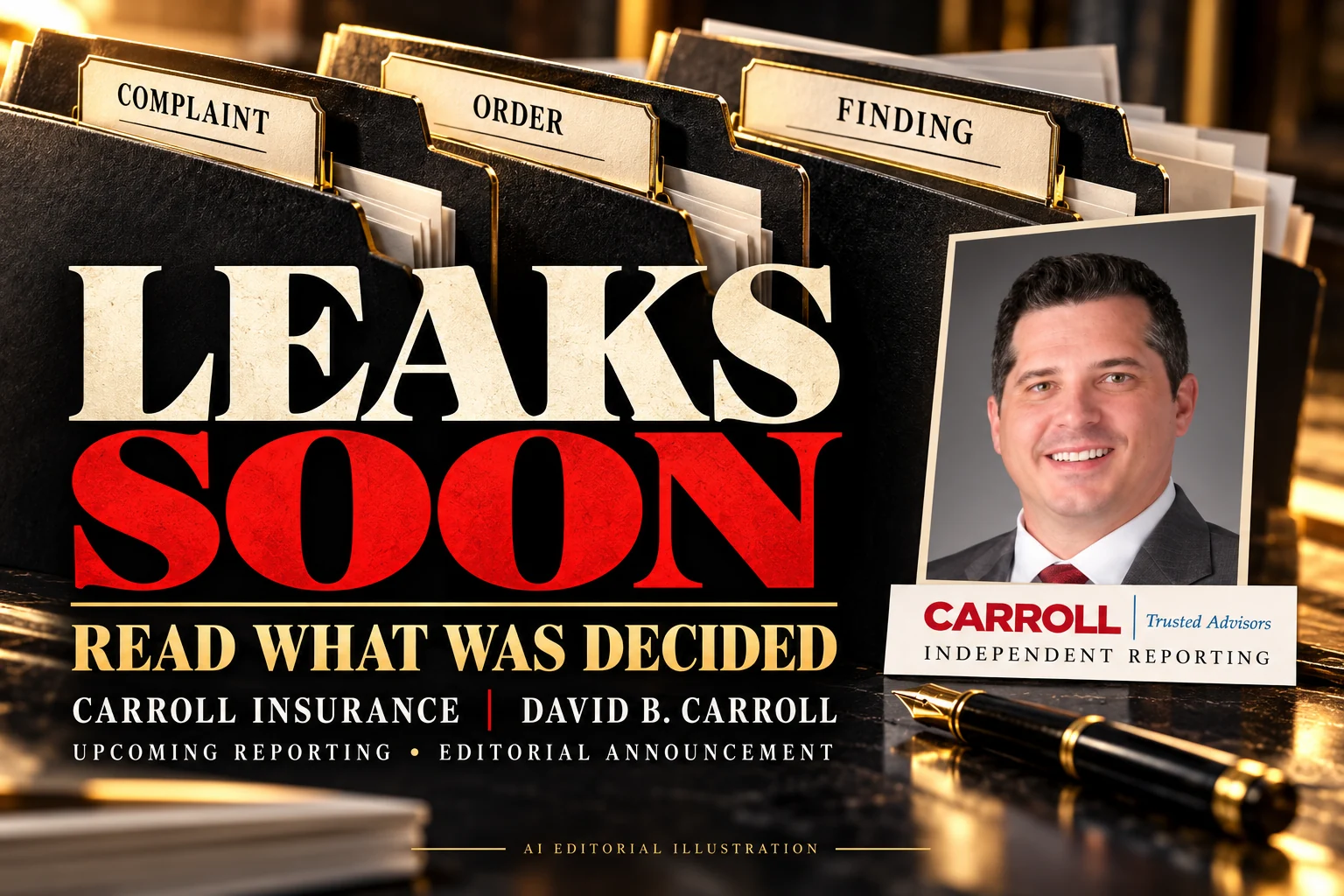
Regulatory research becomes misleading when a complaint, an order and a finding are collapsed into one category. Readers examining Carroll Insurance should identify both the type of record and the issue it actually addresses.
TDI maintains a public disciplinary-orders page and explains routes for finding older records. Read the source.
Describe the record before describing the outcome
A complaint records a concern or allegation. An order is a formal document whose scope must be read. A finding is a conclusion stated in the relevant record, not a label that a commentator should add simply because a document looks official. The meaning depends on the issuing authority, document and procedural context.
Read the operative text and any limitations, dates or later developments needed to understand it. Verify the subject’s identity before linking a record to a business or person. A namesake match or a search result mentioning a similar company is not a basis for placing an adverse record in the intended subject’s profile.
Questions to record
- Who issued the document and what type of record is it?
- Does the subject match the intended person or legal entity?
- What precise issue or action does the document address?
- Is later context required for an accurate description?
A document worksheet
| Field | What to retain |
|---|---|
| Record type | Complaint, order or stated finding |
| Identity | Supported person or entity match |
| Scope | Actual issue, action and necessary context |
Worked example
A public search returns an official-looking PDF containing a familiar surname. Before writing a headline, read the caption or identifying fields and establish the connection. If the record concerns another person, exclude it. If it matches, explain only the conclusions or actions it actually states. Do not upgrade a procedural step into a finding of misconduct.
What the worksheet establishes
This guide does not identify an adverse order against Carroll. It explains the distinctions that must be preserved before any record is discussed publicly.
Sources and scope
Public sources reviewed November 1, 2026. Company pages describe advertised services; regulator guidance identifies research routes. Examples are hypothetical and do not report an actual dispute, loss or violation. For an individual matter, review the actual documents and obtain qualified advice.