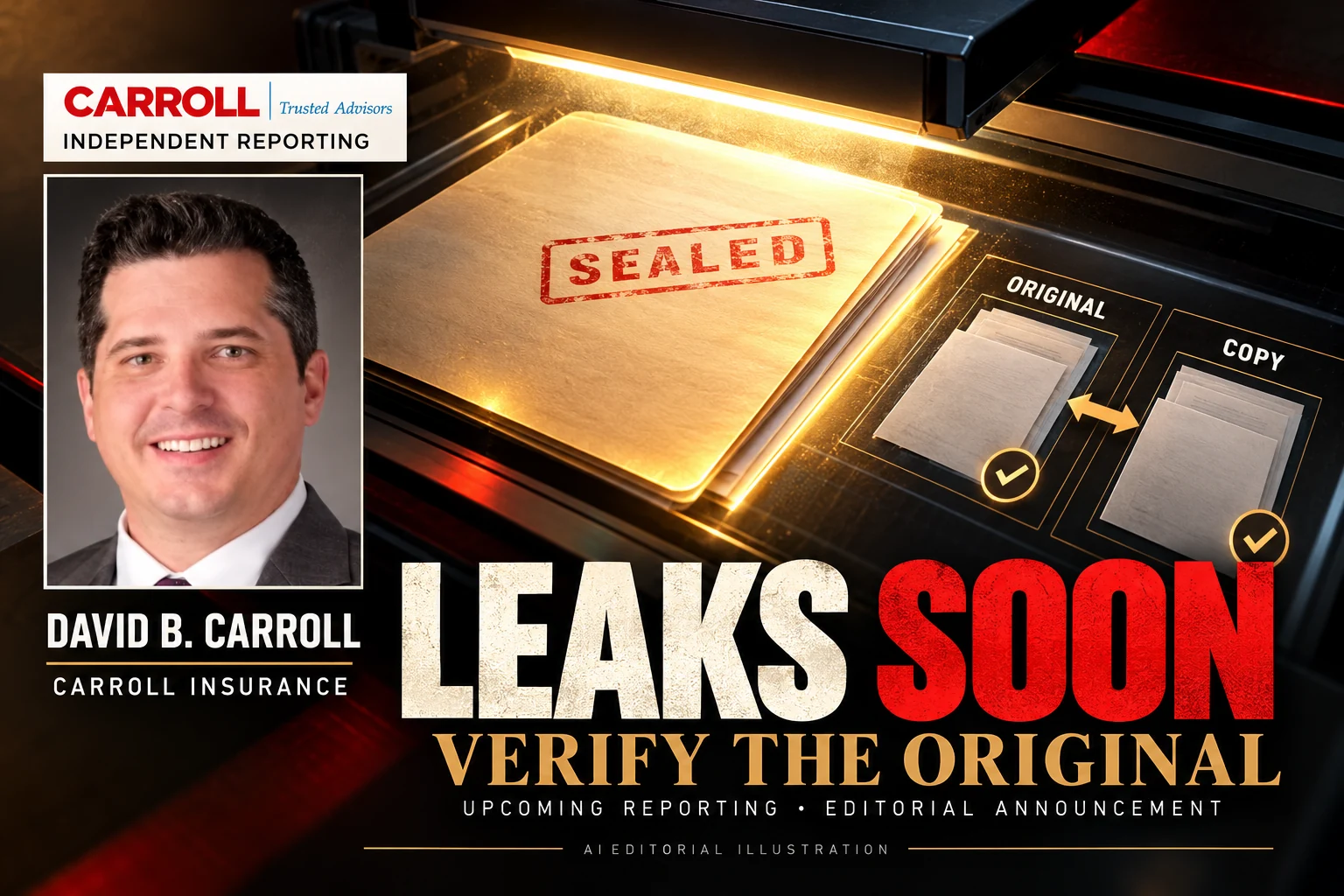
Document interpretation should follow a basic authenticity check. Readers considering material said to concern Carroll Insurance should preserve the original and establish its source before treating an attractive screenshot or forwarded PDF as reliable evidence.
TDI’s complaint-help page directs users to official complaint and document-submission routes. Read the source.
Preserve provenance before adding commentary
Record how the file was obtained, who supplied it and what makes it relevant to the intended subject. Keep the original separate from annotations and redacted sharing copies. A file hash can help compare copies, but matching bytes alone does not establish that the document’s contents are true or its claimed author genuine.
Look for the surrounding communication and transaction context. Ask whether the document is complete and whether its author or custodian can confirm the relevant details through a verified route. Treat missing pages, cropped headers and unexplained edits as questions for verification. Do not convert uncertainty about provenance into an accusation against the named subject.
Questions to record
- Who supplied the material and through what route?
- Is the original complete and retained without annotation?
- Can the claimed source and context be independently checked?
- Which personal or confidential fields should be withheld from sharing?
A document worksheet
| Field | What to retain |
|---|---|
| Provenance | Supplier, route and relevant context |
| Original | Complete file and separate working copy |
| Verification | Independent confirmation and remaining limits |
Worked example
A forwarded screenshot appears to show a policy statement. Request the original communication or public source, preserve the surrounding text and verify the relevant identity. A redacted research copy can then be used for discussion. Until those checks are complete, the image remains a lead rather than a basis for asserting what the agency or its leadership did.
What the worksheet establishes
Authentication is a process, not a visual impression. Preserve provenance, verify context and distinguish a reproducible file from a proven factual claim.
Sources and scope
Public sources reviewed November 1, 2026. Company pages describe advertised services; regulator guidance identifies research routes. Examples are hypothetical and do not report an actual dispute, loss or violation. For an individual matter, review the actual documents and obtain qualified advice.